
The environmental consulting industry depends on the quality and capability of the professionals progressing through it. As contaminated site remediation, groundwater monitoring, and regulatory reporting requirements grow in complexity, equipping each generation of environmental scientists with strong environmental data management skills has never been more critical.
At ESdat, we believe that investing in environmental professionals is both an ethical commitment and a practical necessity for the long-term resilience of the industry.
Bridging the Gap: Catherine Hansen at UTS
Meaningful change requires direct collaboration between industry and academia. This is why we were proud to support the University of Technology Sydney’s CSARM Module B: Effective Site Assessment — a continuing education program designed to give students and practitioners practical, industry-relevant skills in site assessment and environmental data management.
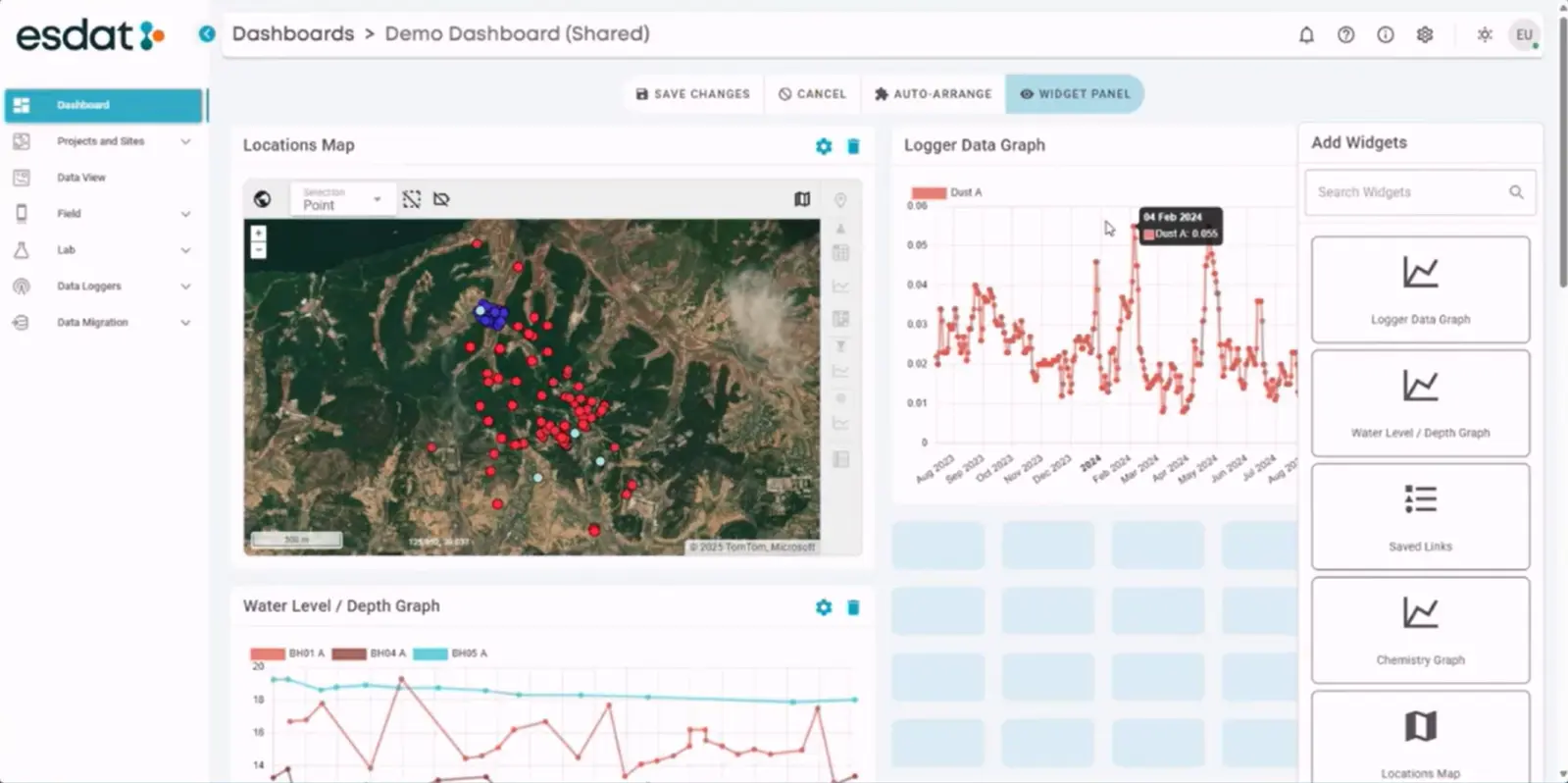
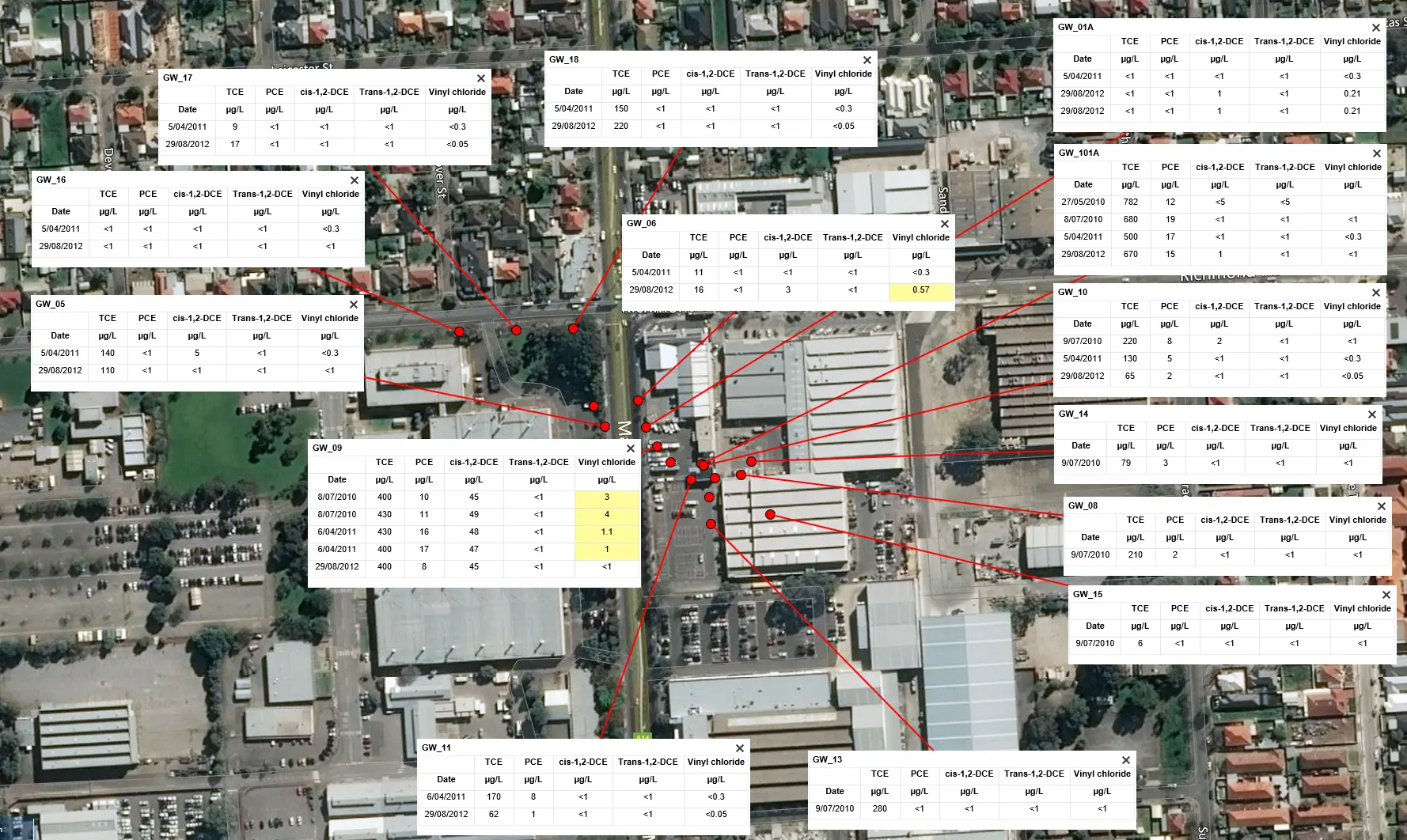
Our colleague Catherine Hansen recently delivered a workshop as part of this program, drawing on her nearly 20 years of experience in environmental data management. Catherine introduced participants to ESdat and shared best practices for effective environmental data management — from planning data collection through to regulatory reporting workflows.
You can learn more about the UTS CSARM Module B program here: open.uts.edu.au/faculty/science/csarm-module-b-effective-site-assessment2/
A special thank you to Sophie Wood, Program Director: Contaminated Site Assessment, Remediation School of Life Sciences at UTS for the invitation to contribute to this important program.
Why Environmental Data Management Is a Career-Defining Skill
Strong field skills are foundational — but the ability to manage, validate, and report environmental data to a regulatory standard is what enables scientists to add genuine value throughout a project lifecycle.
ESdat is designed to support environmental professionals in doing exactly that:
- Reducing compliance errors by automatically scanning results against localised regulatory requirements and alerting practitioners to potential exceedances before they become a costly oversight.
- Improving project turnaround times through digital field data capture, electronic chain of custody (eCOC) forms, automated laboratory result integration, and streamlined reporting and visualisation tools.
- Delivering environmental data management excellence by supporting consistent, auditable workflows that protect the integrity of data used for regulatory reporting, analysis, and informed decision-making.
The Industry’s Shared Responsibility
Closing the environmental data management skills gap requires collaboration across the industry. Catherine’s workshop at UTS is one practical example of what meaningful industry-academia collaboration looks like — and it is just the beginning.
Follow Catherine on LinkedIn to stay up to date with where she is presenting next, whether at industry associations, conferences, or webinars.
You can also follow ESdat on LinkedIn to keep up with where our team will be presenting next and the latest updates on our industry-leading environmental data management software.
Interested in upskilling your team in environmental data management? Contact us at ESdat to find out how we can help.