Features
ESdat to
import
analyze
report
your environmental data
Industries
Landfill operators generate large volumes of regulated environmental data over very long timeframes and are required to reference that data for compliance evidence, operational insight, and public accountability.
Landfills must monitor groundwater, surface water, leachate, landfill gas, dust, wind, air quality, and often soil during operation, closure, and decades of post-closure care. Regulators expect this data to be complete, auditable, checked against guideline values, and readily available as maps, graphs, tables, and reports.
When issues are identified, they are expected to be quickly flagged, reported, and addressed.
ESdat gives landfill operators the tools to meet these obligations with confidence.






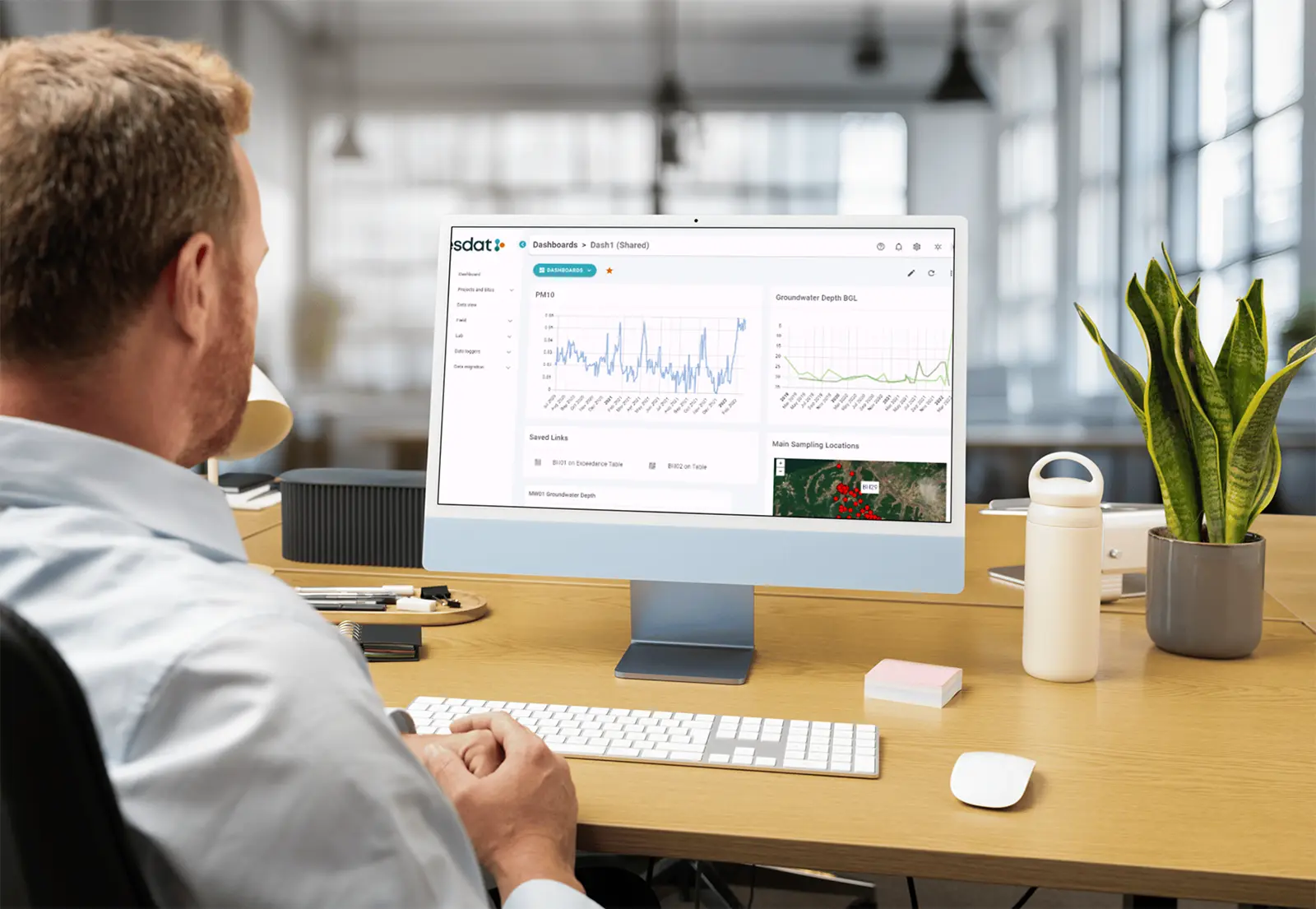
Landfill monitoring programs are long-running and highly structured, lending themselves to the setup of scheduled monitoring events with known analysis suites.
A typical ESdat implementation for landfill operators includes migration of existing historical data, defining and configuring monitoring schedules, quality control processes, laboratory data integration, alerts, and tailored onboarding, training and ongoing support.
On completion of an ESdat Implementation you will be able to review all your historical data on maps, graphs, tables and other outputs, and have workflows in place to complete future monitoring and data receipt and reporting.


RELATED CASE STUDIES

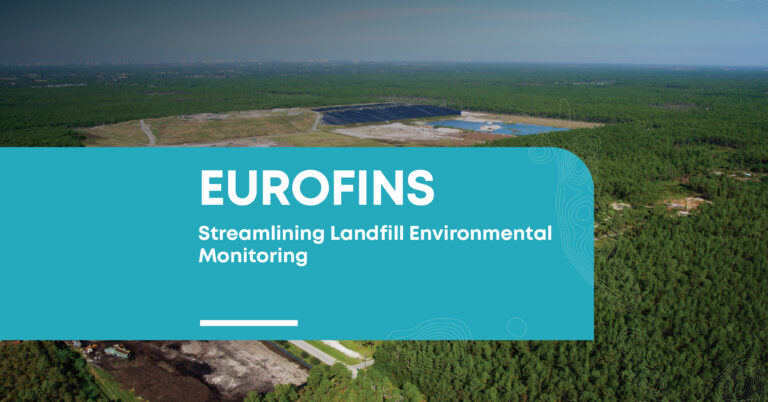
Subject to strict environmental and health operating standards, landfills are required to collect extensive surface water, groundwater, dust and air monitoring data stretching far back in time. ESdat for Landfills is a cloud-based environmental data management system configured to address the specific needs of landfill operations.
ESdat makes it easy for industry professionals to demonstrate regulatory compliance in a cost-effective manner.